Why a gift card can feel different from cash
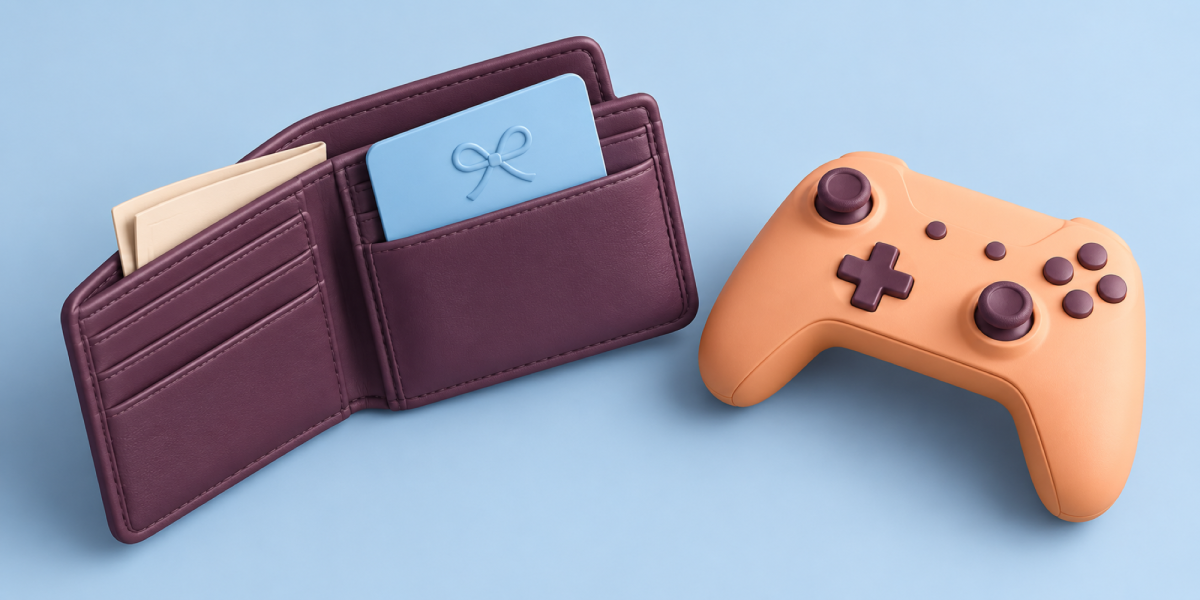
Thirty dollars in a birthday card and thirty dollars of gaming credit have the same face value. They offer different choices, though, and they may bring different purchases to mind. The cash can join the money for next week’s groceries. The gaming credit might finally get spent on something that has been sitting on a wishlist.
The store restriction explains part of that difference. But research suggests that even when a gift card can buy both useful and enjoyable things, people may treat its balance differently from other money.
That helps explain the appeal of a gift card. It also raises a useful question for the person choosing one: what kind of spending are you encouraging, and would the recipient welcome it?
Money comes with labels
Most of us have ways of dividing up our spending. Rent belongs in one part of the budget; a weekend away belongs in another. You might keep those amounts in separate accounts, or simply know which money is spoken for.
Behavioural economists call this mental accounting. The source or intended purpose of money affects how we think about using it. A birthday present can enter that system with a different label from a salary payment.
Consider someone who has been putting off buying a game because there is always something more practical to pay for. Receiving credit for their usual game store gives that purchase a place in the budget. They may think of it as using a birthday present rather than taking money away from household spending.
That is one plausible way a gift card becomes permission to enjoy something. It is an interpretation of the situation, not a promise that everyone will feel the same way.
What researchers found
A study on gift cards explored whether people spend them differently from cash.
One experiment gave students part of their payment as either cash or a gift card for a small laboratory shop. Everyone had to spend at least the same amount there. The gift-card group devoted a larger proportion of its spending to the items classified as treats. The experiment did not find a significant difference in the total amount the groups spent.
The researchers also examined transactions at a campus bookstore, where gift-card purchases leaned more towards enjoyable items than credit-card purchases. Those findings concern particular settings and groups. They do not establish that a gift card makes any given person happier, or that treating yourself is always the best use of one.
The distinction matters when choosing a present. A card might make a small indulgence feel easier to justify. Someone who needs help with an essential purchase may have a different priority, and there is no reason to make them feel that spending the gift practically would waste it.
The shop helps define the gift
Choosing a retailer narrows the recipient’s options before they even see the card. A game-store balance points towards playing; a grocery-store balance points towards food. With a retailer that sells many kinds of things, the suggestion is less precise.
The choice also gives the recipient a clue about what you had in mind. A bookstore card may suggest an afternoon choosing their next read, even if the shop sells stationery and other useful things. That suggestion becomes clearer when you explain why you chose the store.
For a giver, that makes the choice of shop worth some attention. Knowing that a friend likes games is useful; knowing where they actually buy and play them is much more useful. Credit for a shop they rarely visit gives them a new decision to make, and possibly an account to create, before they can enjoy the present.
It is also worth checking what they are saving for. A card tied to the wrong shop will not help with a purchase elsewhere, however suitable the shop might seem for their general interests.
A treat can turn into extra spending
The word “gift” does not remove the cost of anything bought with it. If a card encourages someone to consider a more expensive purchase, the gap still has to come from somewhere.
Suppose a store allows a gift balance to cover part of an order. A $30 card used towards a $45 item leaves $15 to pay. If the recipient already wanted that item and had planned to buy it, the card reduces their own expense. If they only considered it after receiving the card, they have also made a new spending commitment.
Neither outcome follows automatically from the research. They are ordinary possibilities worth thinking through. The useful question is whether the card fits a purchase the person wants, rather than whether its value looks generous in isolation.
A remaining balance can create a similar temptation: looking for something to buy mainly because there is credit left. There is no need to solve that immediately. Check the card’s actual terms, then keep track of the balance and wait for a purchase that makes sense.
For the giver, this is a reason to consider the recipient’s usual spending at that shop. A modest card can be welcome where they make regular purchases. It may be awkward where almost everything they would choose requires a substantial additional payment.
Leave room for their version of enjoyment
A message can explain what you had in mind without turning it into an instruction. “You mentioned wanting a new game; I thought you’d enjoy choosing one” tells the recipient why you picked the store. “You must spend this on something fun” makes a demand they may not want.
Likewise, if the gift is a contribution towards something expensive, say so. The recipient can decide whether to put it towards that purchase, choose something smaller, or save it for another occasion.
Cash leaves more of those decisions open. A gift card offers a more specific suggestion. Which feels welcome depends on the person, their circumstances, and whether the chosen store already has a place in their life.
Once the gift is theirs, they get to decide what counts as a good use of it. Buying an evening’s entertainment, replacing something worn out, or making the grocery bill easier can each be a satisfying result. They do not owe the giver a more impressive purchase.